Tooth sensitivity is a sharp, short pain when your teeth meet something hot, cold, sweet or sour, or when cold air touches them. It usually means the layer under the enamel, called dentine, has become exposed.
At a glance
- What it is
- Short, sharp pain in a tooth triggered by hot, cold, sweet or sour
- Numbing
- Not usually needed for the check-up; may be needed if a filling is required
- Time or visits
- A check-up visit, with further treatment if a cause is found
- Aftercare
- Sensitivity toothpaste and avoiding the trigger while the cause is treated
- Cost
- Depends on what is causing it and what treatment is needed. Your dentist tells you before starting.
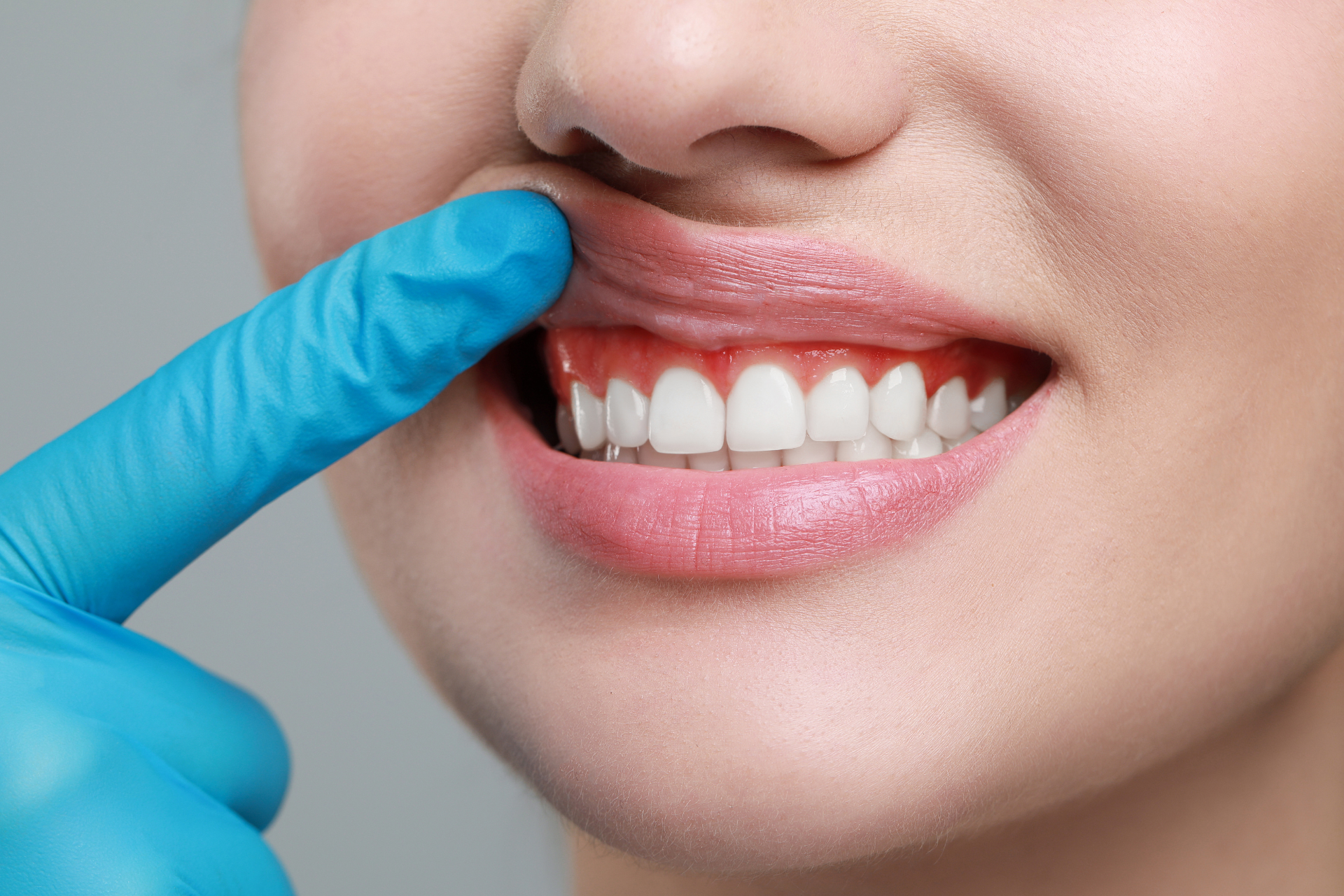
What causes sensitive teeth
Under the hard enamel of your tooth is a softer layer called dentine, full of tiny tubes that lead to the nerve inside. When enamel wears away or gums recede and expose this dentine, hot, cold, sweet or sour can reach the nerve and cause a quick, sharp pain. Common causes include brushing too hard, gum recession, worn enamel from acidic food and drink, a cracked tooth, a cavity, teeth grinding, or sensitivity after a filling or whitening treatment.
Signs to notice
- A sharp twinge when eating or drinking something hot or cold
- Discomfort when eating sweet or sour food
- Pain when breathing in cold air, or when brushing
- Sensitivity in one tooth only, which can point to a crack or a cavity rather than general sensitivity
What happens step by step
- Examination. The dentist checks your teeth and gums to find out what is causing the sensitivity, and may take an X-ray at the clinic if a cavity or crack is suspected.
- Finding the cause. Sensitivity can come from worn enamel, gum recession, a cavity, a cracked tooth, or grinding, and the treatment depends on which one applies.
- Treating the cause. This might mean a fluoride treatment or desensitising gel, a filling for a cavity, gum treatment for recession, or a night guard if grinding is the cause.
- Advice for home. The dentist advises on toothpaste and brushing technique to reduce sensitivity going forward.
- Review. If sensitivity continues, a further visit checks whether more treatment is needed.
Looking after sensitive teeth
- Use a toothpaste made for sensitive teeth, and give it a few weeks to work.
- Brush gently with a soft brush, using a proper technique rather than heavy pressure.
- Cut back on acidic food and drink such as fizzy drinks, citrus fruit and vinegar-based food.
- If you grind or clench your teeth, ask about a night guard. See our Teeth Grinding and Night Guards page.
Risks and other options
Sensitivity that is ignored can sometimes mean an underlying problem, such as a cavity or a crack, gets worse. Desensitising toothpaste and gels help many people, but they do not fix an underlying cause such as a cavity or worn enamel from acid. The dentist examines your teeth to see whether simple care at home is enough or whether treatment such as a filling or gum care, described on our Dental Fillings and Restoration page and Gum Treatment page, is needed.
When to get urgent help
See your dentist soon if sensitivity is severe, in one tooth only, or comes with pain that lasts after the trigger is gone. Go to the nearest hospital straight away (or call 112) if you have swelling of the face or neck, swelling that makes it hard to breathe or swallow, or a fever together with tooth pain. Do not wait for an appointment.
Common questions
Will treatment hurt?
The check-up itself does not hurt. If a filling or other treatment is needed, the dentist numbs the area first.
How long before sensitivity toothpaste works?
It usually takes a few weeks of regular use to notice a difference, and it should be used alongside finding and treating the underlying cause.
Is sensitivity a sign of a cavity?
It can be, especially if only one tooth is affected. It can also come from worn enamel, gum recession or grinding, so it needs checking to know for sure.
Can whitening make my teeth sensitive?
Some people notice temporary sensitivity after whitening. See our Tooth Whitening page for more information.
Should I stop drinking cold water?
You do not need to avoid it completely, but it helps to get the cause checked so the sensitivity can be managed rather than just avoided.
How much does it cost?
It depends on what is causing the sensitivity and what treatment, if any, is needed, so we can only tell you after examining you. Dr. Anjali will explain the cost before starting.
Sensitive teeth at Gangtok Dental Clinic
Dr. Anjali Gupta sees patients at Gangtok Dental Clinic and has more than 8 years of experience in dentistry. She will examine your teeth and gums first, explain what she finds, go through the options and the cost with you, and nothing is started until you are ready to go ahead.
We are open every day from 10:00 AM to 8:00 PM. Call or message us on WhatsApp at +91 82106 99271 to book a check. Our address is on the contact page.
This page gives general information about the treatment. It is not a diagnosis or medical advice, and what you need depends on an examination by your dentist. Please read our Medical Disclaimer.