Gum surgery covers a group of procedures that reshape or repair the gums, including gum contouring for a smile where the gums cover too much of the teeth, and gum grafting to cover roots that have become exposed. These are planned treatments, not emergency care.
At a glance
- What it is
- Reshaping the gum line, or grafting tissue to cover an exposed tooth root
- Numbing
- Local anaesthetic in the treated area
- Time or visits
- Usually one visit for the procedure, with a healing period after
- Aftercare
- Gentle cleaning, soft food for a few days, and a follow-up visit
- Cost
- Depends on how much gum is being treated. Your dentist tells you before starting.
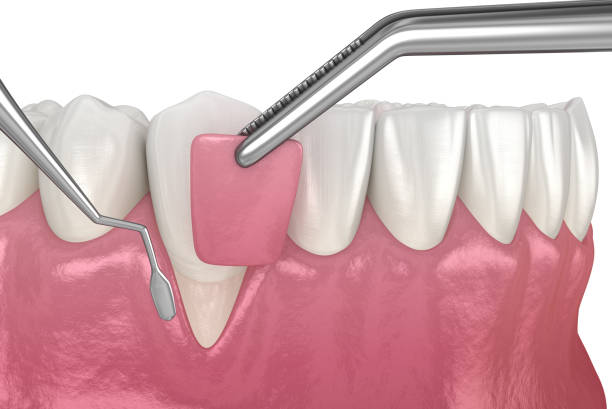
What gum contouring and grafting are
Everyone’s gums sit at a slightly different level on the teeth. When the gums cover more of the tooth than usual, it is sometimes called a gummy smile, and gum contouring reshapes the gum edge so more of the tooth shows. The opposite problem is gum recession, where the gum has pulled back and part of the tooth root is exposed. A gum graft adds tissue, either taken from another part of your mouth or a suitable graft material, to cover the exposed root and protect it.
When these are used
- A smile where the gums appear to cover a large part of the upper teeth
- An uneven gum line, where some teeth look shorter than others
- Gums that have receded, showing the yellowish root surface below the enamel
- Teeth that have become sensitive to hot, cold or brushing because the root is exposed
- A root that keeps wearing down or decaying because it is no longer covered by gum
What happens step by step
- Examination. The dentist looks at your gums and teeth, checks how much gum tissue is involved, and discusses what you would like to change.
- Planning. The dentist explains whether contouring, grafting, or a mix of both suits your situation, and what result is realistic.
- Numbing. Local anaesthetic is given to the area being treated.
- The procedure. For contouring, gum tissue is carefully trimmed and reshaped. For grafting, tissue is placed over the exposed root and secured with fine stitches.
- Healing. The gums are tender for a few days while they heal, and a follow-up visit checks how the area is settling.
After treatment
- The treated gum can feel sore or slightly swollen for a few days.
- Eat soft food and avoid chewing directly on the area while it heals.
- Brush gently, keeping away from the treated gum until the dentist says it is healed, and use any mouth rinse you are given.
- Avoid smoking or chewing tobacco and paan or gutka, which slow healing.
- Go back for the follow-up visit so the dentist can check the area has healed well.
Risks and other options
As with any gum procedure, there can be some bleeding, swelling or mild discomfort afterwards, and healing time varies from person to person. A graft does not always take completely, and further treatment can sometimes be needed. Not everyone needs surgery. For mild recession, sometimes changing your brushing technique and having regular cleanings is enough, and the dentist will discuss this with you before recommending surgery.
When to get urgent help
See your dentist soon if the treated area is more painful than expected, or bleeding does not settle. Go to the nearest hospital straight away (or call 112) if you have swelling of the face or neck, swelling that makes it hard to breathe or swallow, or a fever together with mouth pain. Do not wait for an appointment.
Common questions
Will it hurt?
The area is numbed for the procedure. Afterwards it can feel sore for a few days, and the dentist can advise on pain relief.
Is gum contouring only for appearance?
Often yes, but it can also help clean a tooth more easily if gum tissue was making that difficult. The dentist will explain the reason in your case.
Why do gums recede?
Common causes include gum disease, brushing too hard, and grinding or clenching the teeth. The dentist checks for the cause so it does not keep happening.
How long does healing take?
It varies by person and by how much tissue was treated. The dentist tells you what to expect and checks your healing at a follow-up visit.
Can the gum recede again after a graft?
It is possible if the original cause, such as heavy brushing or gum disease, is not addressed. The dentist will advise on looking after the area.
How much does it cost?
It depends on how much gum tissue is involved, so we can only tell you after examining you. Dr. Anjali will explain the cost before starting.
Gum surgery at Gangtok Dental Clinic
Dr. Anjali Gupta sees patients at Gangtok Dental Clinic and has more than 8 years of experience in dentistry. She will examine your gums first, explain what she finds, go through the options and the cost with you, and nothing is started until you are ready to go ahead.
We are open every day from 10:00 AM to 8:00 PM. Call or message us on WhatsApp at +91 82106 99271 to book a check. Our address is on the contact page.
This page gives general information about the treatment. It is not a diagnosis or medical advice, and what you need depends on an examination by your dentist. Please read our Medical Disclaimer.