Many people grind or clench their teeth without knowing, especially in their sleep. Over time it can wear the teeth down and cause jaw pain and headaches. A night guard is a custom-made cover for your teeth that protects them while you sleep.
At a glance
- What it is
- Grinding or clenching the teeth, often at night, called bruxism
- Common signs
- Worn or chipped teeth, sensitive teeth, jaw or face pain, headaches
- Treatment
- A custom night guard, and looking at what is causing the grinding
- Visits
- Usually two: one for the mould or scan, and one to fit it
- Cost
- Depends on the type. Your dentist tells you before starting.
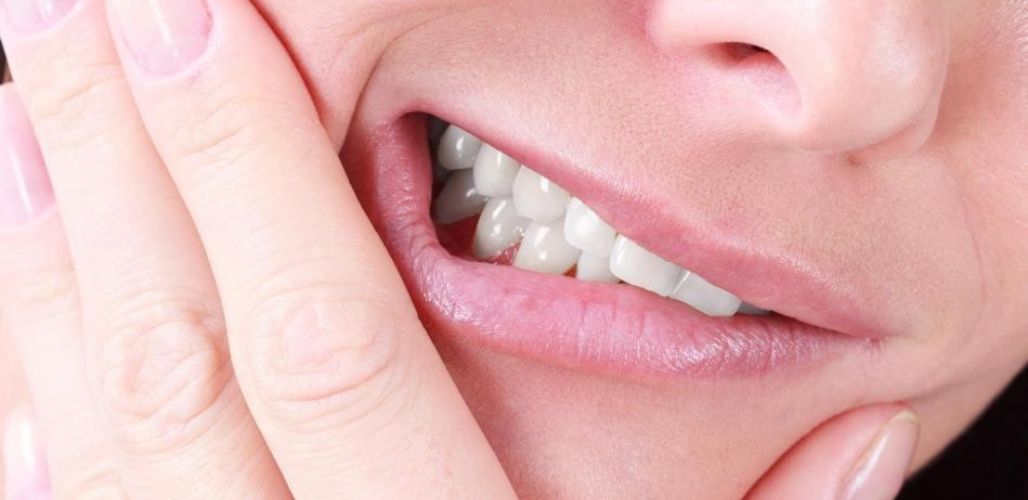
Signs you may be grinding your teeth
- Teeth that look flat, chipped or worn down
- Teeth that feel sensitive
- A sore or tired jaw, especially in the morning
- Pain in the face or ears, or headaches, especially on waking
- Clicking or locking of the jaw
- Someone tells you that you grind your teeth at night
- Disturbed sleep
Many people do not notice grinding at all. A dentist can often see the signs on your teeth at a check-up.
What causes it
Stress and anxiety are the most common causes. Grinding can also be linked to sleep problems such as sleep apnoea, some medicines, smoking, and drinking a lot of alcohol or caffeine. Sometimes there is no clear cause.
How a night guard helps
A night guard is a firm plastic cover that fits over your upper or lower teeth. It does not stop you grinding. It puts a cushion between your teeth so that they do not wear against each other, which protects the surfaces. A guard made for your mouth fits better and is more comfortable than one bought from a shop.
What happens
- Examination. The dentist checks your teeth, jaw and bite, and asks about your sleep, stress, habits and any jaw pain.
- Mould or scan. An impression or scan of your teeth is taken so the guard can be made to fit.
- Fitting. At the second visit, the dentist checks the fit, makes adjustments and shows you how to use and clean it.
- Follow-up. The guard is checked from time to time and changed if it wears out or your teeth change.
Looking after a night guard
- Wear it every night as your dentist advises.
- Rinse it and clean it with a soft toothbrush and cool water. Hot water can warp it.
- Keep it in its case when you are not wearing it, and away from pets.
- Bring it with you to check-ups.
What else can help
- Learn to relax your jaw during the day. Teeth should not touch when you are at rest.
- Try relaxation and breathing exercises, and regular exercise.
- Keep a regular bedtime routine.
- Cut down on caffeine and alcohol, especially in the evening, and avoid smoking.
- Do not chew pens, ice or your nails.
- Speak to your doctor if stress, anxiety or sleep problems are affecting you.
Things to know
- A night guard can feel bulky for the first few nights, and you may produce more saliva.
- A guard protects the teeth but does not treat the cause of the grinding.
- Teeth that are already badly worn may need other treatment, such as crowns or fillings.
When to get urgent help
Go to the nearest hospital straight away (or call 112) if you have swelling of the face or neck, swelling that makes it hard to breathe or swallow, or a fever together with tooth or gum pain. Do not wait for an appointment.
Common questions
How do I know if I grind my teeth?
Look for the signs above, or ask someone who sleeps near you. Your dentist can also tell from the wear on your teeth.
Will a night guard stop the grinding?
No. It protects your teeth from the damage, but it does not stop the grinding itself.
Can I buy one in a shop?
You can, but a guard made for your teeth fits better and is more comfortable. A poorly fitting one can be uncomfortable or ineffective.
How long does a night guard last?
It depends on how hard you grind and how you look after it. Your dentist will check it at your visits and tell you when it needs changing.
Is it caused by stress?
Stress and anxiety are the most common causes, but not the only one. Your dentist may suggest speaking to your doctor if stress or sleep are involved.
How much does it cost?
It depends on the type of guard. Dr. Anjali will explain the cost before starting.
Teeth grinding and night guards at Gangtok Dental Clinic
Dr. Anjali Gupta sees patients at Gangtok Dental Clinic and has more than 6 years of experience in dentistry. She will check your teeth for signs of wear and tell you if a night guard would help. She will explain what she finds and go through your options and the cost with you, and nothing is started until you are ready to go ahead.
We are open every day from 10:00 AM to 8:00 PM. Call or message us on WhatsApp at +91 82106 99271 to book an examination. Our address is on the contact page.
This page gives general information about the treatment. It is not a diagnosis or medical advice, and what you need depends on an examination by your dentist. Please read our Medical Disclaimer.